Dancing Dog Embroidery Design: A Designer's Review
As a professional embroidery designer, my daily work involves curating designs that not only stitch beautifully but also elevate the apparel they adorn. When planning a new boutique collection—often centered around cozy, wearable pieces like sweatshirts and hoodies—the visual personality of a design is paramount. Today, I’m reviewing the Dancing Dog embroidery file from Creative Fabrica from that exact perspective: assessing its potential for a real, sellable apparel line.
First Impression: Visual Personality and Stitching Mood
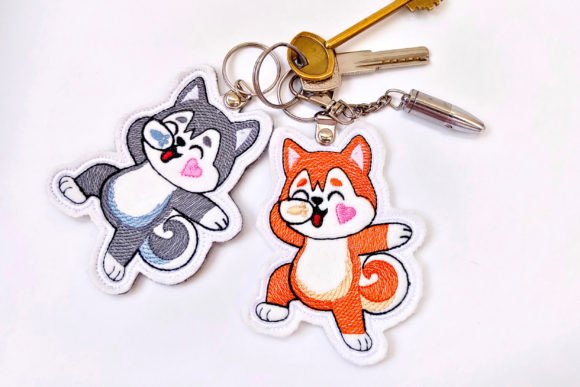
The Dancing Dog design presents a cute Husky face with a playful, dancing motif. My immediate impression is one of cheerful, approachable charm. It’s neither overly minimalist nor excessively detailed; it strikes a balance that feels both contemporary and classic. The mood is decidedly playful and cute, leaning into a trend that resonates deeply with dog lovers and those seeking a lighthearted aesthetic. This isn’t a rustic or overly feminine design—its strength lies in its universal, friendly appeal, which can translate well across different garment styles and customer demographics.
For a boutique brand, this decorative strength is significant. It has a clear focal point (the Husky face) with enough character to stand alone as a statement piece, yet it’s not so bold or dense that it would overwhelm a delicate fabric. It feels premium in its concept, but its execution will ultimately depend on our craftsmanship—the choice of thread, placement, and fabric.
Apparel Application: From Sweatshirts to Tote Bags
Imagine a small capsule collection for an online shop. Dancing Dog offers versatile applications. On a neutral sweatshirt—beige, grey, or oat—the design would pop with a clean, fresh look, ideal for lifestyle product photos. On pastel hoodies, it would enhance that cozy, seasonal outfit vibe. For dark apparel, like a black or navy garment, careful thread color contrast planning would be needed to ensure the Husky’s features remain vibrant and clear.
Sweatshirt and Hoodie Chest Placement
The chest area of a sweatshirt or hoodie is a prime location for a design like this. Its size and composition seem suitable for a standard left-chest or central placement, creating a focal point that doesn’t dominate the entire garment. On oversized garments, this placement maintains a balanced, intentional look. For sleeve accents or smaller back designs, one would need to confirm the design’s scale and the appropriate hoop size, but the playful nature of Dancing Dog could work wonderfully as a smaller sleeve detail on a relaxed-fit hoodie.
Expanding to T-Shirts, Jackets, and Tote Bags
Beyond sweatshirt embroidery, this machine embroidery design has clear potential for t-shirt embroidery, particularly on cotton or blended fabrics. It could lend a boutique, handmade product feel to a simple tee. On a denim jacket, it would introduce a cute, personalized touch. For tote bags, it’s a strong candidate—adding brand identity and customer engagement to a functional item. These applications are perfect for Etsy sellers and small shop products looking to create a cohesive merchandise line.
Professional Considerations and Practical Value
Using any digital embroidery file for commercial embroidery requires a practical, tested approach. Dancing Dog can significantly affect apparel value and buyer trust. A clean, well-stitched version on a high-quality sweatshirt elevates the perceived value, reinforcing professional presentation and visual consistency for a brand.
Where to Use the Design Carefully
Certain applications demand extra attention. On very small chest placements, ensure the design’s detail level remains crisp. On stretchy fabric or fleece, stabilizer choice is critical to prevent puckering. For ribbed fabric or curved surfaces, hooping technique and stabilizer are again paramount. Since the description mentions a cute Husky face, I would pay particular attention to any potential dense stitch areas in the facial features to ensure they don’t become overly thick on softer fabrics like hoodie fleece. Always test on scrap fabric first, specifically on a similar garment fabric to your final product.
- Test Stitching: Always run a test on scrap fabric matching your final garment’s weight and texture.
- Stabilizer Review: Match stabilizer to the fabric—likely a cut-away or heavy tear-away for sweatshirt material.
- Thread Contrast: Review thread color contrast, especially for dark garments, to maintain design visibility.
- Hoop Size Confirmation: Before production, confirm the required hoop size from the Creative Fabrica product details.
- Stitch Density Inspection: Inspect the stitch density in your test to gauge its impact on the fabric’s drape and feel.
- Placement Comparison: Compare placement options on the actual garment to find the most aesthetically pleasing and structurally sound location.
Before selling finished apparel, it is essential to check the Creative Fabrica product details and licensing for this embroidery file to confirm its terms for commercial use. This is a fundamental step for any digital seller or creative entrepreneur.
Enhancing Brand Identity and Customer Engagement
A design like Dancing Dog, when used consistently across a collection, can enhance product recognition. A series of hoodies, t-shirts, and tote bags featuring this playful Husky creates a recognizable theme for a boutique brand. This visual consistency aids in professional presentation across Etsy listings, social media graphics, and printable mockups. It speaks directly to a niche—dog lovers and those appreciating cute, animal-themed decor—which fosters customer engagement and loyalty.
The design’s appeal to children, as noted in the description, also opens avenues for family-oriented apparel, expanding a brand’s reach. For custom apparel projects, it offers a relatable, joyful element that customers often seek.
Final Designer Notes
In my workflow, after confirming all technical and licensing details, I would proceed by stitching a sample on a neutral sweatshirt. Observing how the thread colors interact with the fabric, assessing the final stitch quality, and evaluating the overall aesthetic on the garment would be my final step. Dancing Dog presents a promising opportunity for apparel decorators looking to add a playful, universally appealing element to their lines. Its success, as with any machine embroidery design, hinges on meticulous preparation and a deep understanding of the marriage between the digital file, the machine, the thread, and the fabric. For those crafting a collection with heart and a touch of whimsy, this design is certainly worth considering.