A Classic Sewing Tool Embroidery Design: First Impressions
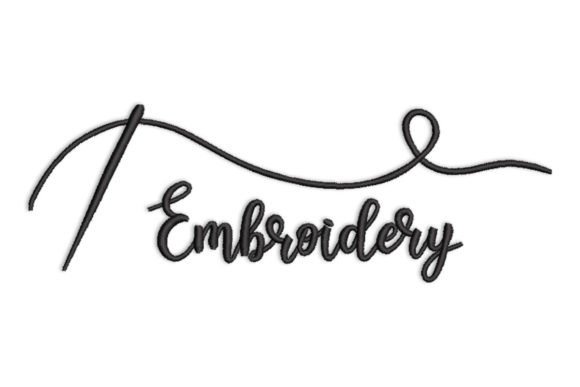
When I first opened the Embroidery with Needle design file, my immediate thought was of quiet craftsmanship. This isn't a loud, trendy graphic. It’s a nod to the tool itself—a simple, elegant rendering of a sewing needle. The mood it creates is one of authenticity, skill, and a love for the process. It feels respectful of the craft, almost like a badge for those who understand the work behind the stitch.
The Design’s Natural Habitat: Where This Embroidery Belongs
This design has a clear personality. It’s detailed but not overwhelmingly dense, with a layout that suggests it would work beautifully as a standalone emblem. I envision it perfectly on a canvas tote bag for a sewing enthusiast, a discreet monogram on a chef’s apron, or as a charming accent on a linen pillow cover in a craft room. For a small business, like an Etsy shop selling handmade quilts, this could be a subtle branding element stitched onto a care tag or a packaging cloth. Its theme is universal to our world—the needle is our primary instrument—making it a fantastic choice for personalized gifts for fellow makers.
Real-World Stitching: How It Performs on Actual Products
Thinking through real projects, I’d test this on a mid-weight cotton first, perhaps for a kitchen towel. The level of detail suggests it will need a good stabilizer to keep the lines crisp, especially if there are fine satin stitch outlines defining the needle’s shape. On a sweatshirt or t-shirt, I’d be cautious about the stitch density on the stretchy fabric; a lighter fill stitch area would be ideal here to prevent puckering. For a baby item or delicate nursery decor, I’d want to ensure the design isn’t too bulky for soft fabrics.
The real charm, I think, will come in its application on darker fabrics. A metallic or bright white thread for the needle against a dark denim cap or a black tote would create fantastic contrast and visual appeal, making the handmade product feel professional and intentional. For a patch, the design’s self-contained nature means it could be stitched out and applied neatly, increasing its versatility for craft fair products or boutique merchandise.
Careful Application: When to Proceed with Caution
While this design feels adaptable, there are scenarios where you’d need to plan carefully. If you’re considering a very small hoop size—for instance, on a cap’s curved front panel—you must check that the design’s elements, like a possible thread eye or sharp point, don’t become so tiny that they lose stitching clarity. Tiny lettering, if the design includes any text labeling, could be a challenge on textured fabrics like some blankets.
For products destined for frequent washing, like apparel or kitchen linens, a robust stitch construction is key. Without knowing the exact stitch count, my designer advice is always to stitch a sample on scrap fabric first, wash it, and see how it holds up. This step is crucial for maintaining customer trust in your handmade presentation and product value.
The Business of Stitching: Commercial and Gift Considerations
From a commercial perspective, Embroidery with Needle has clear potential. As a digital embroidery file, it can serve as a reliable design asset for creating consistent branded items for a small shop. It would look excellent in printable mockups for your Etsy listings, conveying a theme of quality and handmade care. For personalized gifts, such as a wedding gift for a tailor or a holiday gift for a creative entrepreneur, it carries instant recognition and meaning.
However, the foundational step for any business use is confirming the licensing terms before selling finished items. Always verify whether the design is cleared for commercial embroidery projects to ensure brand consistency and professionalism.
Practical Designer Notes Before You Hoop Your Fabric
Here is my checklist before running this design for a real client project or my own craft business items:
- Stitch a test run on a scrap of your intended fabric—this reveals everything about thread color contrast and actual stitch density.
- Compare how it looks on both light and dark fabric backgrounds in your software’s preview, or even in simple black and white mockups, to judge its versatility.
- Confirm the required hoop size for your specific machine embroidery design; a mismatch can ruin the layout.
- Inspect the small details in the preview. Are there any dense stitch areas that might need adjustment for your specific fabric texture?
- Use the proper stabilizer for your project. A design like this, celebrating the needle, deserves crisp lines.
- Finally, step back and look at the stitched sample. Does it evoke the mood you want for your final product? Would a customer seeing it on a boutique apron or embroidered patch feel that engagement, that sense of skilled craft? That’s the ultimate test.
Embroidery with Needle is more than a graphic. It’s a statement about the craft itself. When stitched with care, it elevates a simple tote bag, baby blanket, or custom apparel into a piece that speaks directly to makers and appreciators alike. It’s a design that, used wisely, can genuinely enhance the giftability and perceived value of your sewing crafts.