J Letter Vine Monogram Flower Embroidery Design Review
As an embroidery designer preparing for a weekend craft fair, every new design needs to prove itself before it earns a spot in my booth lineup. Today, I’m evaluating the J Letter Vine Monogram Flower, judging its real-world potential on products I’ll actually sell. This review is based on the practical realities of production, display, and what catches a customer’s eye across a crowded market.
First Impression: Elegant and Versatile Wedding Appeal
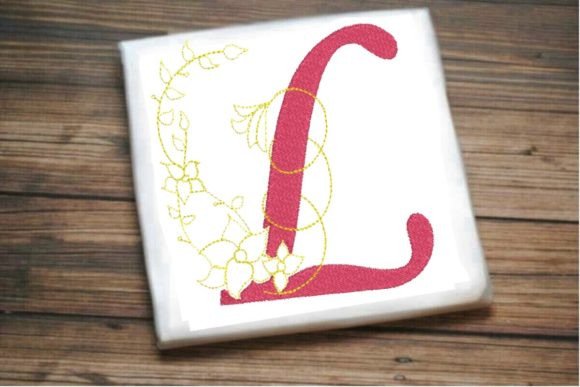
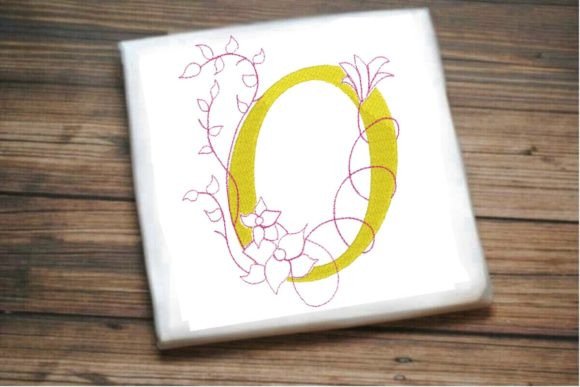
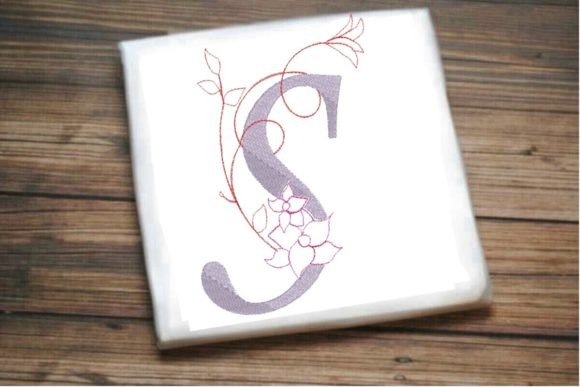
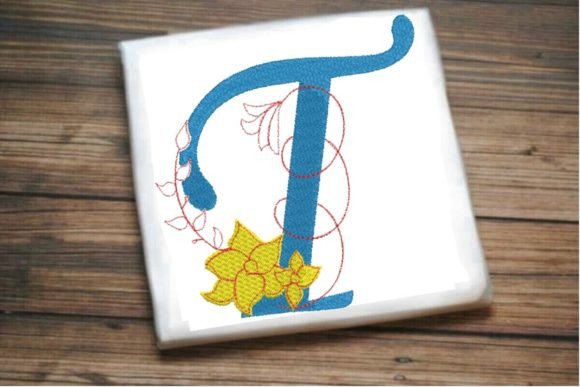
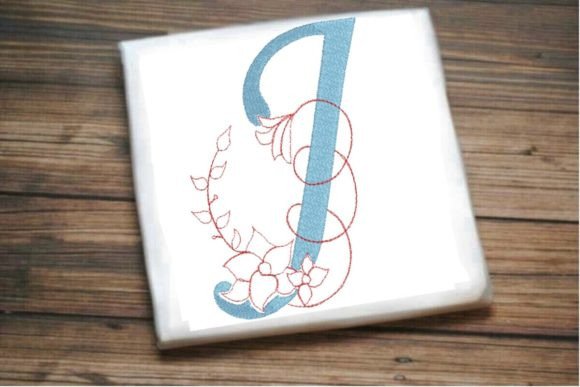
The title J Letter Vine Monogram Flower immediately suggests a design that is decorative and premium. The description confirms this: “Letter Vine Monogram” is an enchanting machine embroidery design featuring alphabet letters adorned with gracefully entwined climbing vines. This feels inherently elegant and leans toward a farmhouse-soft aesthetic with a touch of romance. It’s not overly bold or minimal; it’s a detailed, decorative motif perfect for personalization. Given its category of Wedding Monogram, its primary strength is clear, but its appeal isn’t limited to just weddings. It carries a general sense of handmade quality and thoughtful detail that resonates with many buyers.
Product Performance: Where This Design Will Shine
My craft fair table typically features tote bags, aprons, tea towels, caps, patches, small pouches, pillow covers, and various giftable items. For J Letter Vine Monogram Flower, I see distinct winners and careful considerations.
Top Tier Products for Maximum Impact
For a design with vines and floral elements, certain products naturally elevate it.
- Pillow Covers: This is a premier application. The design becomes a beautiful focal point on a pillow, perfect for a bridal shower gift or a cozy home accent. It photographs beautifully for Etsy listings.
- Tea Towels & Aprons: Kitchen textiles are a craft fair staple. This design brings an elegant touch to a utilitarian item, increasing its perceived value as a handmade product. On an apron, positioned centrally or on a pocket, it looks exceptionally charming.
- Tote Bags & Market Bags: As a tote bag design, placed centrally, it transforms a simple bag into a personalized, premium accessory. It’s large enough to be appreciated and the vines add a lovely decorative border effect.
- Embroidered Patches: This could be a standout craft fair product. A well-made patch with this design allows for versatility—customers can apply it to their own items. It needs to be produced at a size that maintains clarity.
Considerations for Other Applications
Some products require more forethought.
- Caps & Curved Surfaces: Embroidering on a curved cap brim can challenge any design with fine details. The vines and lettering need to be tested on scrap fabric first to ensure they don’t distort.
- Small Pouches & Accents: If scaled down for a small pouch, the intricate vine details might become too dense. It’s likely better as a main feature on larger pouches rather than a tiny accent.
- Dark Fabric: The elegance of this design depends on contrast. On dark fabric, choosing bright or metallic thread colors is crucial to maintain the enchanting look described.
Practical Selling & Production Points
Turning a digital embroidery file into a sellable, batch-produced item requires a cold, practical eye.
Visual Comprehension & Batch Production
At a glance, J Letter Vine Monogram Flower is easy to understand: it’s a decorative letter J. This instant recognition is good for a busy fair booth. For batch production, the design feels repeatable. However, its success depends on the actual stitch density. If the vine areas are very dense, it will take longer to stitch and use more thread, affecting my production speed and cost per item. I must test the design on scrap fabric to gauge time and material use.
Photography & Booth Display
For my Etsy seller side and booth samples, this design should photograph well. The decorative elements create visual interest even in a flat lay image. In the booth, products featuring this design, like a pillow or tote, can serve as strong display anchors that draw customers in. A monogram feels personal, sparking engagement—people often look for their own initial.
Value Perception & Brand Consistency
This design elevates a product. A plain tea towel becomes a “wedding tea towel.” This directly increases product value and supports a premium price point. For my small shop product line, it adds a cohesive elegant farmhouse item that complements other decorative pieces, strengthening brand consistency.
Critical Embroidery Designer Notes
Before I stitch this on any final product, my checklist is mandatory.
- Confirm Hoop Size & Stabilizer: The description doesn’t specify a hoop size. I need to check the embroidery file requirements. Matching the correct hoop size and using the right stabilizer is critical, especially for detailed work on tricky fabric texture like linen towels.
- Check Thread Contrast & Colors: I’ll stitch a test using several thread color combinations against white, cream, and dark fabric to see which pops best and retains the “gracefully entwined” detail.
- Inspect Stitch Density & Small Details: I’ll look closely for any tiny details or small lettering within the design that might vanish on smaller products or certain materials. Dense stitch areas can pucker on lightweight fabrics if not stabilized properly.
- Create a Real Mockup: I never skip this. One physical sample on the intended product (like a tea towel) reveals everything: how it feels, how it lays, and its true visual weight.
- Compare Fabric Colors: I’ll lay my test stitch outs against my inventory of fabric colors to plan which combinations will be most marketable.
- Confirm Commercial Licensing: As a final step before any commercial embroidery production, I must verify the license terms of the digital embroidery file to ensure I can legally sell the finished products.
Final Judgment for the Craft Fair Booth
The J Letter Vine Monogram Flower is a strong contender for my upcoming fair. Its elegant, personalized nature aligns with popular market trends and has clear appeal as a Wedding Monogram while being versatile enough for general home decor and gifts. Its highest selling potential lies on premium items like pillow covers, kitchen textiles, and tote bags where its details can be fully appreciated. The production process requires due diligence—testing for density, scale, and contrast—but the design itself has the intrinsic visual appeal to attract customer attention and justify the work. For creative entrepreneurs looking to add a touch of handmade sophistication to their product line, this design, when executed carefully, can become a standout piece in both an online shop and a physical booth display.