Evaluating Boho Circle Pattern for Real Embroidery Projects
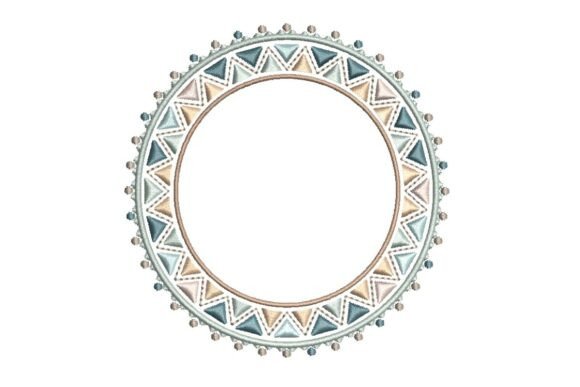
When I pull up a new embroidery file like this Boho Circle Pattern, my first question isn't "what is it?" but "what can it become?" This isn't just a shape; it's a potential centerpiece. The initial impression is quietly confident. It's a geometric ring composed of triangles, but the muted color palette suggestion softens that geometry, creating a vibe that's structured yet approachable. It feels modern, a little zen, and undeniably versatile. The layout, with its central circular frame, immediately tells me this design belongs on something meant to be personalized or celebrated—a name, a date, a special initial.
The Mood It Creates on Fabric
This design has a specific personality. It doesn't shout. It invites. The circle acts as a gentle boundary, a frame that organizes the space without feeling harsh. The geometric triangles inside suggest order and pattern, but the overall effect, especially with softer thread colors, leans boho-luxe rather than rigid tech. This mood makes it a fantastic candidate for projects where you want to add elegance without overt fussiness. Think of a custom embroidered linen pillow cover for a wedding gift, or a minimalist tote bag for a boutique—it elevates the item without overwhelming it.
Where Boho Circle Pattern Finds Its Home
My mind goes straight to applications. For a custom apparel project, like a high-quality sweatshirt, this circle would beautifully anchor a monogram on the chest or sleeve. The detailed triangles mean it's not a plain ring; it has visual interest that stands up on a garment. For baby embroidery, on a blanket or a special keepsake outfit, the soft palette and circular shape feel protective and sweet, perfect for framing a baby's initial. As an embroidered patch, it could be stunning—the structure of the circle would make it easy to apply to a cap or bag, and the detail would convey craftsmanship.
For small business merchandise, this is a versatile asset. An Etsy seller could use it to create a line of personalized tea towels or aprons, where the design offers a consistent, recognizable brand element. In a craft fair setting, items like this embroidered on natural canvas tote bags have immediate giftability. They look considered and handmade, which builds customer trust. The design’s clarity suggests care in execution, which directly boosts the perceived value of the finished product.
Navigating the Practical Stitch Considerations
Now, let's talk about the workbench reality. A design with this level of detail in a circular format requires some practical forethought. The geometric triangles mean there are likely corners and smaller stitch areas. On textured fabrics like a loose-knit sweater, those fine details might lose some clarity, so a smoother fabric like cotton or a quality fleece is a safer bet. For dark fabric backgrounds, that muted color palette will need careful thread selection—you might need to shift suggested hues slightly brighter to maintain the soft contrast.
Stitch density is a key consideration here. If the triangles are filled densely, it could create a stiff area on a stretchy fabric like a t-shirt. Proper stabilizer choice is non-negotiable. On curved surfaces like caps, the circle's symmetry is a test—hooping and stabilizing need to be precise to keep that ring perfectly round. And because it's a "frame," its success hinges on what's inside it. If you're adding a monogram inside the circle, ensure your lettering design's scale and stitch style harmonize; tiny, dense lettering crammed inside might clash visually and technically.
Scenarios Where a Careful Approach is Wise
- Small hoop sizes: If you're trying to stitch this very small, those triangular details may become too minute, risking stitch bunching or loss of definition.
- Layered garments: On a jacket with multiple fabric layers, the design's overall integrity could be challenged by the thickness.
- Products for frequent washing: On something like a kitchen towel that gets washed hard, a design with many small adjacent stitch elements can be more prone to wear over time.
- As a decorative accent: Using it solo on a large item, like a blanket, might leave it feeling isolated; it often works best as a focal point paired with other elements.
Boosting Your Project's Professional Appeal
From a commercial or small shop perspective, using a design like Boho Circle Pattern effectively can elevate your whole presentation. For digital product sellers, this file is a strong design asset for creating printable mockups that show potential—a mockup of it on a tote bag or baby romper instantly communicates application. For brand consistency, if your shop's vibe is modern handmade, this circle could become a signature element across different products, from apparel to home decor, creating a cohesive look that customers recognize.
The design’s clean, intentional layout contributes to a professional finished product. When a client sees this embroidered on a custom order, it feels deliberate and well-executed, not randomly chosen. That builds engagement—it’s a design people ask about. "Where did that circle come from?" That’s a good sign. For holiday gifts or wedding presents, its framed nature makes it inherently personal, increasing its giftability factor tenfold.
Essential Designer Notes Before You Hoop
- Always test on scrap fabric first. Use the same material and color as your final project. See how the triangles render, check for puckering, and assess the actual thread color contrast.
- Review it in both light and dark background mockups. Even a simple black-and-white digital preview can reveal if the layout holds its form without color.
- Confirm the licensing terms for this embroidery file. Before selling finished items or digital products using this design, you must know if it's licensed for commercial use, personal use only, or requires attribution.
- Match your stabilizer to both the fabric and this design's likely density. A design with mixed elements might need a different stabilizer than a simple satin stitch monogram.
- Consider the product's entire lifecycle. If it's a baby item or apron that will be washed often, consider slightly simplifying color changes or ensuring stitches are secure to enhance durability.
The Boho Circle Pattern is a tool. Its value isn't just in the digital file itself, but in what it enables you to create. It pushes you toward projects that are framed, personal, and subtly elegant. My final judgment? This is a design that rewards thoughtful application. It won't do all the work for you, but it gives you a beautiful, structured foundation upon which to build something truly special—whether that's a gift for a friend or the next best-selling product in your craft business.