Crafting Market Success with Quilt Block 14
As I lay out my sample products for the weekend fair, my first thought is how a new design like Quilt Block 14 will integrate into my booth’s story. This machine embroidery design, from its title alone, suggests a classic, decorative foundation. It feels inherently home-focused and craft-centric, landing squarely in that comforting, handmade aesthetic that draws customers in. My immediate impression is that this is a versatile, decorative asset leaning toward a rustic yet elegant feel, perfect for the House Home category.
Where Quilt Block 14 Finds Its Place on the Display Table
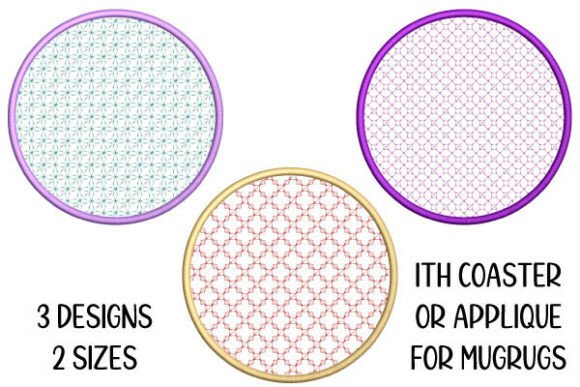
Visual appeal at a craft fair is about instant recognition and perceived value. Quilt Block 14 needs to be on products where its intricate, presumably geometric pattern can be appreciated fully. I envision it as a strong focal design, not merely an accent.
- Tote Bags & Market Bags: A large, centered embroidery on a natural canvas tote creates a premium, usable art piece. The design’s density would convey durability and quality.
- Pillow Covers: This is likely its best home. A single Quilt Block 14 on a linen pillow cover elevates it from a simple handmade product to a decorative home accent with immediate brand consistency.
- Aprons & Tea Towels: For kitchen textiles, the design must be scaled appropriately. On an apron bib or a towel corner, it becomes a charming, giftable detail. However, the fabric texture of a tea towel can challenge clarity; a test run is essential.
- Embroidered Patches: This is a brilliant secondary product. A standalone patch allows customers to apply the artistry themselves, expanding your market. It also serves as a lower-price-point item to draw engagement.
- Fabric Pouches & Caps: These are my caution areas. A small pouch might force shrinking the design, risking loss of detail. A curved cap surface demands perfect stabilizer choice to avoid distortion.
The Production Reality for Small Shop Owners
Turning a digital embroidery file into a batch of sellable products requires a practical eye. Before I stitch a single bag for sale, I run a production checklist.
- Test on Scrap Fabric First: I embroider Quilt Block 14 on the actual materials I’ll use: linen, canvas, cotton twill. This reveals how stitch density interacts with fabric weight.
- Check Thread Contrast: On dark fabrics, I might need a lighter top thread or even a bobbin thread effect to ensure the design pops on the booth table.
- Inspect Stitch Density & Details: The description mentions it’s a decorative design. I’m attentive to potentially dense stitch areas that could make pillows too stiff or cause puckering on towels without the right stabilizer.
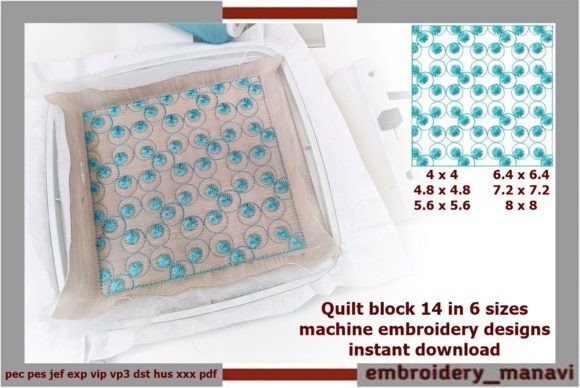
- Confirm Hoop Size & Spacing: Since it comes with multiple embroidery files, I determine which hoop size version balances production speed (smaller hoops) with visual impact (larger hoops). I use the larger for pillows, the smaller for patches.
- Create a Real Mockup: Never rely only on a printable mockup for an Etsy listing. One physical, beautifully finished pillow or tote photographed in natural light proves the handmade quality and sells the digital embroidery file itself.
Photographing for Online and In-Person Appeal
A design sells twice: first online for the digital file, then in person on the finished product. Quilt Block 14, with its structured name, should photograph with a clean, compositional beauty. For my Etsy listing of the design itself, I’ll show it stitched out on a neutral fabric swatch, highlighting its precision. For my craft fair product photos, I’ll place the embroidered tote bag next to a simple vase of flowers, creating that House Home lifestyle context that triggers a customer’s “that’s perfect for my living room” moment.
Selling Points That Captivate Creative Entrepreneurs
When evaluating a design for commercial embroidery, I think like both a maker and a buyer. Here’s where Quilt Block 14 stands out.
Visual Appeal & Customer Attention: A well-executed quilt block pattern carries a heritage craft weight. It feels skillfully made. In a booth flooded with simple logos, this intricate design becomes a point of pause. Customers touch embroidered pillows to feel the texture.
Product Value Perception: Intricacy equals higher value. An apron with a basic monogram sells for less than an apron featuring a full Quilt Block 14. This design allows me to price for the artistry, not just the labor.
Batch Production Repeatability: A key question: is this design harmonious when seen repeatedly across different products in my booth? A cohesive quilt block motif on bags, pillows, and patches creates a powerful, professional display. It tells a clear brand story for boutique makers.
Giftability & Seasonality: While not overtly festive, this decorative design has a timeless, year-round appeal. It’s ideal for housewarming gifts, mother’s day, or simply as a self-purchase for home decor. That broad applicability is a sales engine.
A Final Professional Note Before Stitching for Sale
My last step before the fair is a legal and quality assurance one. The product description states it’s a machine embroidery design for home decor and more. I must confirm the commercial licensing terms of the digital embroidery file. As a small shop owner, I ensure I have the right to sell the finished products I make with it. Then, I compare how the design looks on a spectrum of fabric colors—cream, slate blue, oatmeal—to offer variety at my table. The right contrast makes all the difference; a subtle thread color shift can make Quilt Block 14 feel modern on grey linen or rustic on beige canvas.
In the end, Quilt Block 14 presents itself as a robust, decorative design asset. Its success at the craft fair hinges on placing it on the right products—where its detail can shine—and executing it with professional embroidery rigor. When stitched with care on a premium pillow cover, it transforms from a digital file into a tangible piece of handmade warmth that customers are compelled to bring home.