A Real-World Review of the Tooth Fairy Embroidery Design
As an embroidery designer, I’m always looking for designs that translate well from the digital screen to a real, stitched product. When considering a new design for commercial projects or handmade gifts, I look beyond its cute appearance. I assess its practical stitchability, its fit for various products, and its potential to add genuine value to my work. Today, I’m sharing my honest evaluation of the Tooth Fairy machine embroidery design from Creative Fabrica, based on the mindset of using it for a real customer order.
First Impressions: Personality and Project Fit
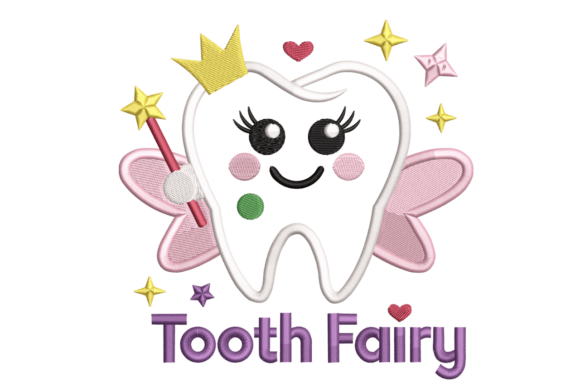
The Tooth Fairy design immediately conveys a playful, whimsical mood. It’s clearly from the Fairy Tales category, but its charm is versatile. The “personality” mentioned in the description is evident—it’s not just a generic fairy, but one with a character that suggests sweetness and magic. This makes it a strong candidate for decorative appeal on items meant to evoke warmth and nostalgia. My first thought was its natural fit for baby items, like blankets or onesies, and personalized gifts for children. However, its style could also elevate more utilitarian items, turning a simple kitchen towel or apron into a special, story-filled piece.
Performance in Real Embroidery Projects
When I imagine stitching this for a real project, I consider the full range of applications for my business: custom apparel, Etsy listings, craft fair products, and boutique merchandise.
Apparel and Bags: T-Shirts, Sweatshirts, and Totes
The design’s promise to be “easy to stitch” is crucial here. For t-shirts and sweatshirts, especially on stretchy fabric, a design with manageable stitch density and clean outlines is essential. I would plan to test it on scrap fabric first to check for potential puckering. On tote bags, which often use a thicker, textured fabric, the design’s personality could shine, but I’d be mindful to use a proper stabilizer to ensure the details remain crisp after frequent use.
Home Decor and Gifts: Pillows, Towels, and Nursery Decor
For pillow covers or kitchen towels, this design adds a handmade touch that can increase product value. It turns a functional item into a giftable piece. The visual appeal here is key for product photography and customer engagement—a well-embroidered Tooth Fairy on a linen towel looks far more enticing in an Etsy listing than a plain one.
Specialized Applications: Caps and Patches
Embroidering on curved cap surfaces or creating an embroidered patch presents unique challenges. Small details and tiny lettering (if present in the design) need to be evaluated carefully. I would absolutely confirm the minimum hoop size required before attempting a cap order. A dense stitch area might not translate well to the curved, structured surface of a cap.
Practical Considerations for Stitching Success
To ensure a professional result, several technical and practical steps are non-negotiable.
- Test on Scrap Fabric: Always stitch the design on a scrap of the actual project fabric first. This reveals how it handles stitch density and interacts with textured or stretchy fabric.
- Check Thread Color Contrast: The design’s mood can change dramatically on dark versus light fabric. I would compare light and dark fabric mockups digitally, and then with real thread, to choose the most appealing palette.
- Use Proper Stabilizer: This is the foundation of clean embroidery, especially for items like tote bags or aprons that need durability.
- Inspect Small Details After Stitching: Once hooped and stitched, closely inspect any layered details or fine lines. This is where “easy to stitch” is truly proven.
- Confirm File Details Before Selling: Before using any digital embroidery file for commercial embroidery, I review the product page on Creative Fabrica for critical information. This includes specific file formats for my machine, exact hoop size dimensions, and the license terms for selling finished products. The description provided is a good starting point, but the full product details are essential.
Impact on Product Value and Buyer Perception
Using a well-executed design like this affects more than just the stitch; it affects the entire product’s perception.
A clean, charming Tooth Fairy embroidery enhances handmade presentation. It signals care and skill, which builds buyer trust. For seasonal handmade gifts or nursery decor, it increases giftability. In a line of products, using designs with a consistent mood (like whimsical fairy tales) can strengthen brand consistency for a small shop. Furthermore, a high-quality stitch result is easier to photograph well, making product photography more effective and driving better customer engagement.
Final Thoughts: Is This Design Worth Using?
The Tooth Fairy embroidery design from Creative Fabrica appears to be a strong candidate for projects where personality and decorative appeal are paramount. Its described ease of stitching is a significant advantage for entrepreneurs who need reliable results without excessive troubleshooting. It seems naturally suited for baby items, personalized gifts, and home decor pieces where its fairy tale charm can be fully appreciated.
However, my professional advice is to approach it with the same due diligence as any other machine embroidery design. Its performance on specific items like caps or dark fabrics is not guaranteed by the description alone. The crucial step is to check the product details on Creative Fabrica for the technical specifications and licensing, and then to conduct your own practical test on the intended project material. If those boxes are checked, this design has the potential to become a valuable design asset in your library, helping you create embroidered products that are both beautiful and commercially sound.