A Designer’s Review of the Hummingbird and Fuchsia Embroidery File
As someone who runs a small embroidery business and frequently sources designs for client projects, I approach every new embroidery file with a practical eye. I’m not just looking for beauty; I’m evaluating how it will perform on real fabrics, under real hoops, and for real customers. When I first saw the Hummingbird and Fuchsia machine embroidery design on Creative Fabrica, its aesthetic charm was immediately clear. But the real question was: would it translate into a reliable, high-quality finished product? After considering it for several potential applications, here’s my honest assessment from a professional perspective.
The Visual Mood and First Impression
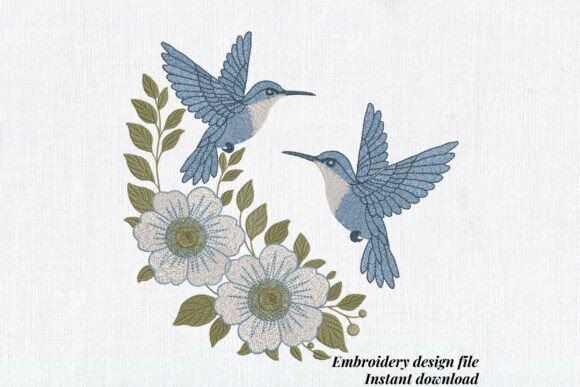
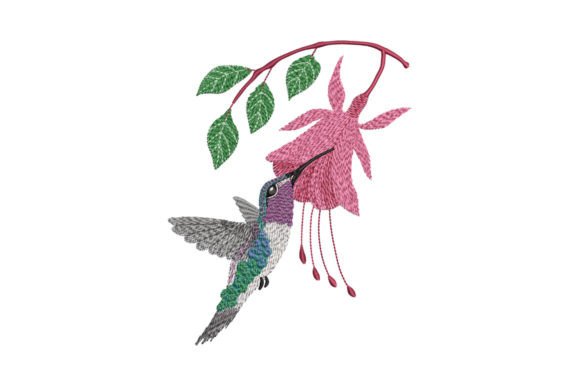
The Hummingbird and Fuchsia design presents a classic, elegant feel. The central hummingbird, as described, carries that sense of lightness and energy, while the fuchsia flowers add a soft, decorative flourish. This isn’t a stark, graphic design; it has a flowing, organic personality that leans toward traditional or nature-inspired themes. My first thought was that this design would excel on items meant to feel special, handmade, and gift-worthy. It doesn’t scream “modern logo”; instead, it whispers “carefully crafted detail.”
Natural Project Fit for Crafters and Entrepreneurs
Considering my typical order queue, I instantly pictured Hummingbird and Fuchsia on several products. For Etsy sellers and handmade shop owners, this design could elevate a simple item into a standout piece. Its decorative appeal is strong for:
- Tote bags and aprons: The nature theme works perfectly for market bags or kitchen linens.
- Pillow covers and nursery decor: The elegant bird and flowers would add a gentle touch to home textiles.
- Baby blankets and personalized gifts: The symbolism and soft visual mood make it an excellent choice for celebratory or sentimental items.
- Sweatshirts and caps: For apparel decorators, this design could transform a basic garment into a boutique-style piece, provided the technical execution is sound.
- Embroidered patches: The composition could be stunning as a standalone patch, appealing to craft fair customers.
For creative entrepreneurs using printable mockups, this design provides a beautiful asset for creating compelling product photography and listings that emphasize craftsmanship.
Evaluating Practical Performance on Real Materials
This is where theory meets the needle. A design’s looks are one thing; its stitching behavior is another. Without specific stitch count or hoop size data from the product page, I must advise everyone to check those crucial details on the Creative Fabrica product page before purchase. However, based on the visual density and detail level of Hummingbird and Fuchsia, we can discuss general performance considerations.
The design appears to have areas of fine detail, particularly in the hummingbird’s feathers and the flower elements. This means:
- Small hoop compatibility: If the design is intended for smaller hoop sizes, those tiny details must be tested on scrap fabric first. Satin stitches or small fill stitch areas can become dense and puckered if not optimized.
- Fabric adaptability: On textured fabrics like towelling for kitchen towels, or stretchy fabrics for sweatshirts, using the correct stabilizer is non-optional. The design’s elegance could be ruined by fabric distortion.
- Color contrast: The design seems light and detailed. On dark fabrics, thread color choice becomes critical to maintain visibility of all the elements. I would always run a light and dark fabric mockup comparison digitally before committing thread.
- Commercial embroidery viability: For high-volume applications, the stitch density and run time would need to be efficient. Again, verifying the file details is essential.
- Washability and durability: For items like aprons or baby blankets that need frequent washing, a clean, secure stitch execution with good stabilizer removal will ensure the Hummingbird and Fuchsia design lasts.
Impact on Product Value and Customer Trust
Using a well-executed embroidery design like Hummingbird and Fuchsia can significantly affect your product’s perceived value. When a customer sees a complex, beautiful design that stitches out cleanly with no skipped stitches or puckering, it builds trust in your brand’s quality. It reinforces the “handmade” presentation as being professional and deliberate, not amateur. For gift items, this visual appeal directly enhances giftability. For brand consistency, if your shop focuses on nature or elegance, this design could become a cohesive part of your product line.
However, the opposite is true if the design doesn’t stitch well. A beautiful digital preview that results in a messy, dense patch on a curved cap surface can damage customer engagement and your reputation. That’s why the practical steps are so vital.
Essential Embroidery Notes Before You Stitch
Before using Hummingbird and Fuchsia for any commercial project or customer order, I follow and recommend a strict checklist:
- Review the Creative Fabrica product page thoroughly: Confirm all available file formats for your machine, any listed hoop size recommendations, and the license terms to ensure you can sell the finished items.
- Always test on scrap fabric: Use the same material and stabilizer you plan for the final product. Inspect the small details after stitching.
- Check thread color contrast: Plan your palette against your fabric color. The design’s elegance depends on clarity.
- Consider the stabilizer strategy: For stretchy fabric or items with curvature like caps, choose a stabilizer that will support the detail without adding stiffness.
- Inspect stitch density in your test: Look for any areas that seem overly thick or prone to puckering, which might require adjustments in your machine settings.
Final Thoughts for Fellow Designers
The Hummingbird and Fuchsia embroidery file from Creative Fabrica holds clear potential. Its visual mood is undeniably attractive for a wide range of handmade products and custom apparel. For crafters, Etsy sellers, and small business owners looking for a design that adds a touch of nature and elegance, it’s a strong candidate. However, its true worth is not in the preview image, but in the real-world stitching outcome. My advice is to approach it as a professional: appreciate its decorative appeal, but rigorously verify its technical details and test its performance on your specific materials. When a design like this stitches out cleanly, it becomes more than a digital embroidery file; it becomes a reliable partner in creating products that customers love and trust.